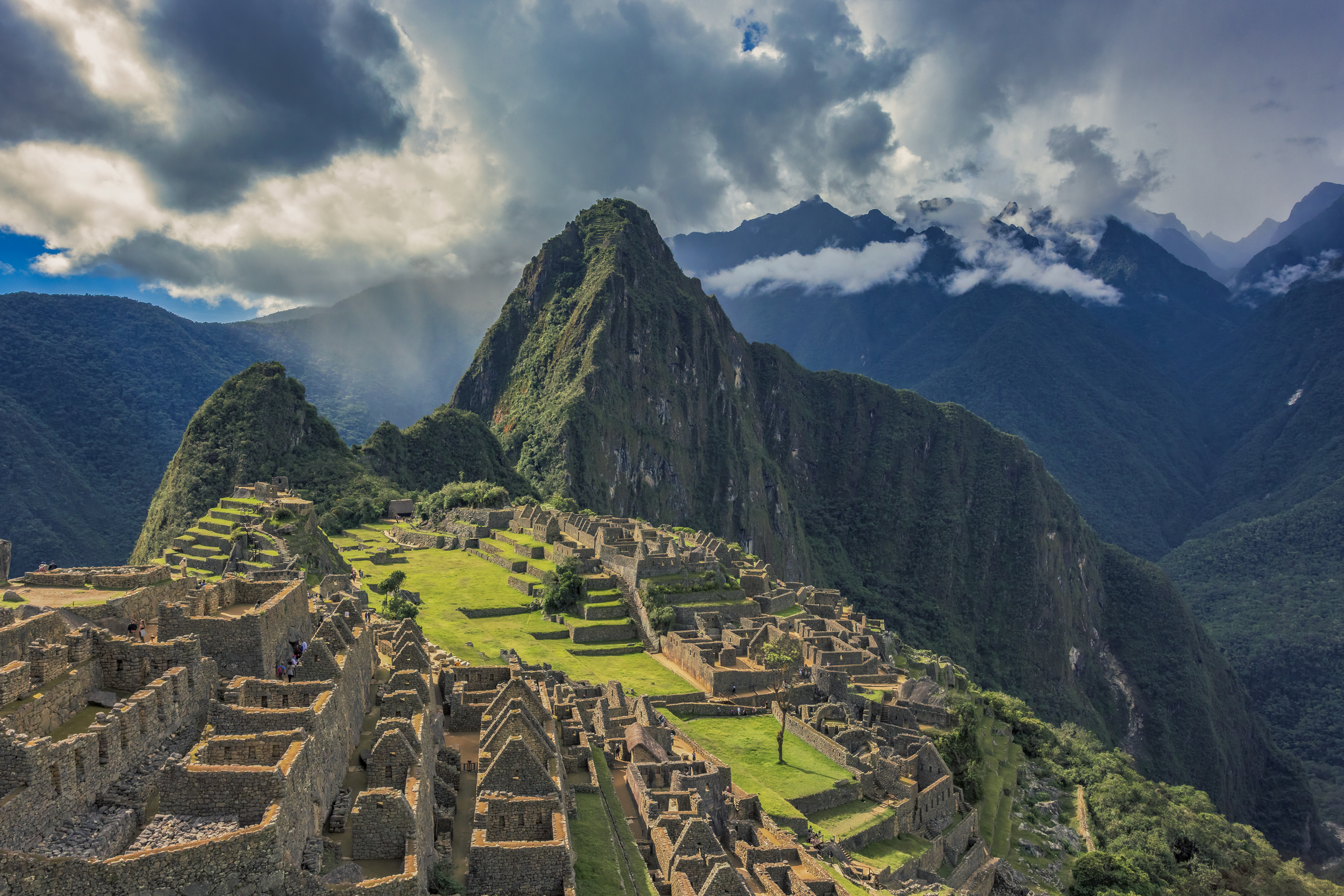
Adventure Machu Picchu – Day 1
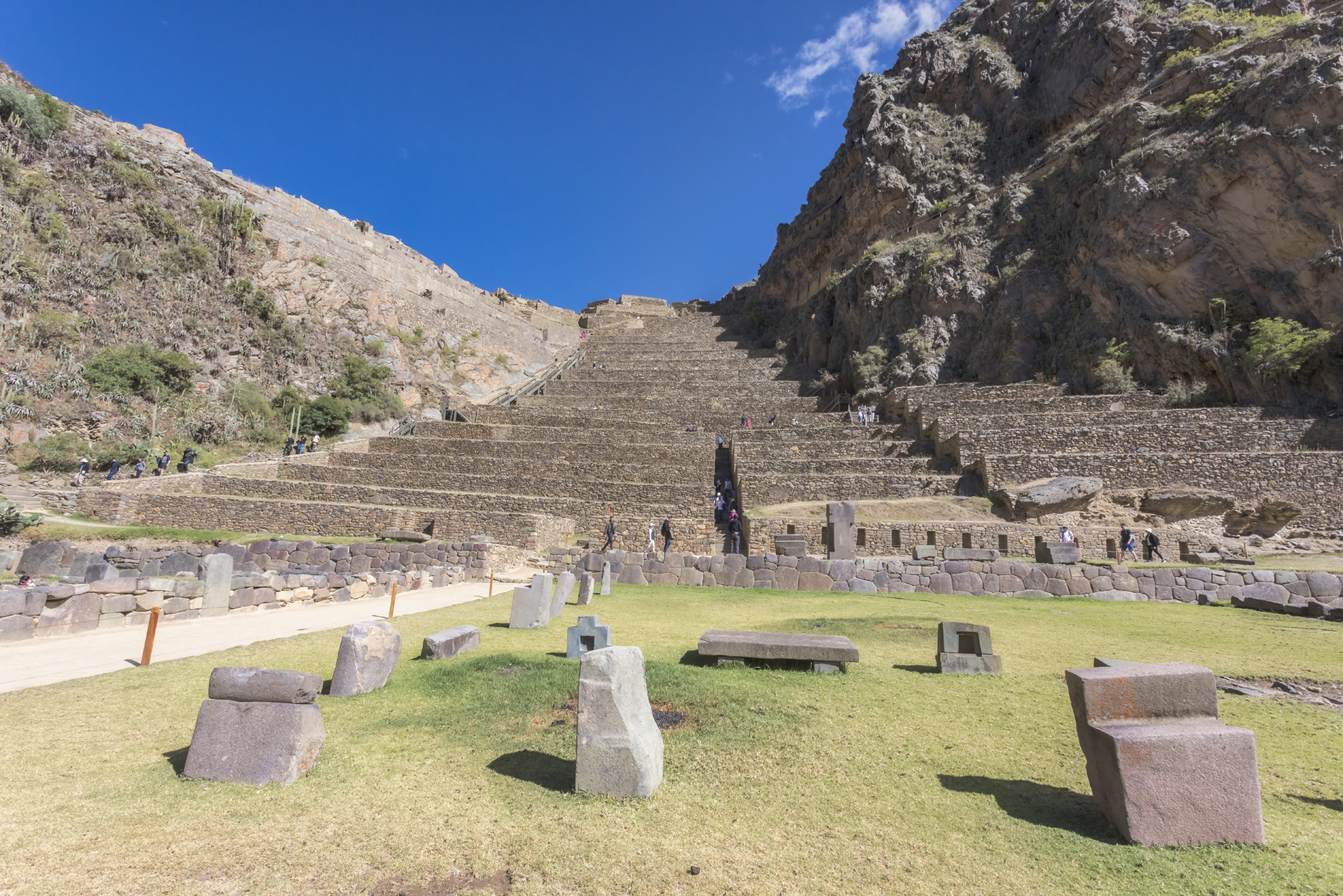
It was only a short walk from Hotel Pakaritampu in Ollantaytambu to the train station. We then embarked on a scenic ride through the Andes on the Inca Rail Vistadome. Our first day of adventure Machu Picchu had begun!


Unfortunately, there were numerous delays on the train, and we arrived in Machu Picchu Pueblo (formerly called Aguas Caliente) more than an hour late. We checked in at Inkaterra hotel, and then walked back into town for the bus ride up to the ancient citadel. The switchback road leading to Machu Picchu is an adventure in itself.

Each turn revealed glimpses of the lush Andean landscape, with steep green mountains shrouded in mist. As the bus climbed higher, we caught glimpses of the ruins. We arrived at the crowded hilltop, along with hundreds of others waiting in line with 1 p.m. entrance tickets. However, lunch was our first priority! We arrived late for our reservations at the Tinkly Buffet, but by now most other tourists had already dined. We easily found seats and dug into the bountiful buffet. By the time we had finished, we breezed through the entrance into the archaeological park.
The Ascent
Our delay on the train actually worked in our favor, and we started our ascent towards the Guardhouse, or Caretaker’s Hut, with few others on the trail now. We followed the dirt path, traversing numerous switchbacks of stone steps until we could see the Guardhouse just above us.


When we rounded the corner, the sight was breathtaking. The afternoon sun bathed the citadel in a golden glow, casting long shadows that accentuated the terraces and stone structures. It’s one thing to see photos and another to stand in the presence of such an awe-inspiring creation. And even though this was not my first visit, it was still thrilling.

The view from here is magical. It’s a combination of the enormity of the site, majestic Andes, the mysterious ruins and the low-lying clouds that swirl about on most days. I stand, soaking it all in, and wonder how all of this came to be.
Hiram Bingham and the Lost City of the Incas
Hiram Bingham initially set out to find Vilcabamba, the legendary “Lost City of the Incas,” when he stumbled upon Machu Picchu in 1911. Vilcabamba was the last refuge of the Inca resistance against Spanish conquest after the fall of Cusco in 1533. It served as the final stronghold for the Inca rulers until its capture by the Spanish in 1572. While Bingham believed he had found Vilcabamba when he discovered Machu Picchu, it was later determined that Vilcabamba was actually located at a site now known as Espíritu Pampa, further into the jungle. Despite this, Bingham’s discovery of Machu Picchu brought worldwide attention to the site, revealing a remarkable Inca citadel that had been largely unknown to the outside world.
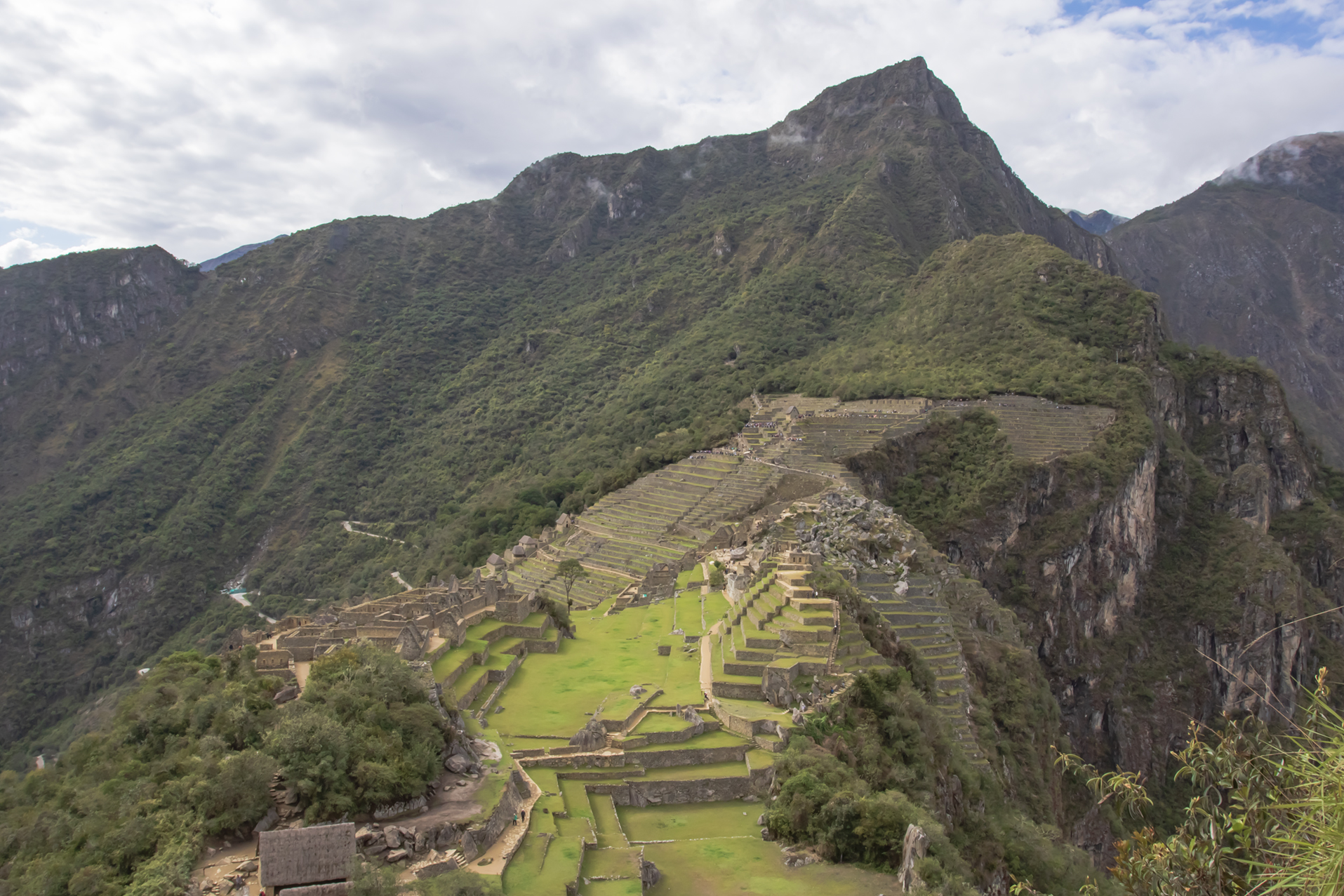
Current theories about Machu Picchu’s use and history suggest it was constructed in the mid-15th century under the Inca emperor Pachacuti. It is believed to have served as a royal estate and a religious site, featuring temples, palaces, and agricultural terraces. More than 3000 steps link the different levels containing a total of 150 buildings. The location was likely chosen for its strategic and aesthetic value, offering protection and stunning views. Machu Picchu also held significant ceremonial importance, with structures aligned to astronomical events, underscoring the Inca’s sophisticated understanding of astronomy and their spiritual connection to the natural world. Archaeologists have identified several different sectors, including a farming zone, a residential district, a royal district, and a sacred area. In our two days here, we will visit all of them.
Through the Main Gate
The main gate is a stone doorway that separates the agricultural sector from the urban sector. Based on the rings and holes carved in this doorway, it’s likely that there was once a door with heavy beams crossing it for security. The Incas valued framed views of the surrounding mountains, taking great measures to align doorways and windows meaningfully with the surroundings they held sacred.

Our circuit continued on the upper levels, but we caught a glimpse of the Temple of the Sun below that we would visit tomorrow.

Farther down the trail, the main quarries used in the construction of Machu Picchu were on our left. Looking at these huge rocks strewn about, I marveled even more at the construction skills of the Incas.

The Sacred Plaza
The main attraction in this area is the Temple of the Three Windows. It overlooks the main plaza and is made of huge stones. The three trapezoidal windows are perfectly fitted, and there are two additional closed windows that served as niches for ceremonial vases. Excavation unearthed ritual ceramic cups, but the temple’s exact purpose is a mystery. The three windows also face the east, and the sun’s rays illuminate the temple’s interior during the winter solstice, a significant event in the Inca calendar.

On the western side of the Sacred Plaza is the Principle Temple. This is one of the few places in the citadel with a collapsed wall due to insufficient foundations. Archaeologists estimate that 60-80% of the structures at Machu Picchu are underground, thus most buildings are extremely stable even though they are on intersecting fault lines. It was probably one of the main public temples and some researchers believe it was dedicated to the worship of Pachamama (earth mother).

Unfortunately, one of the other key sights, The Intihuatana pyramid, was not open in the afternoons, so we missed seeing it. One of the most sacred sites, Hiram Bingham named it, and the translated Quechua means “the place to which the sun is tied”. The centerpiece here is an unusually shaped four-sided sculpture that was most likely altar, a solar observatory, or some kind of sundial.

From here we climbed down the steep stairs to the Main Plaza and on to the Sacred Rock and close-up views of Huayna Picchu.

Huayna Picchu and Huchuy Picchu
Picchu is from the Quechua word meaning peak or mountain. Huchuy Picchu and Huayna Picchu are two prominent peaks that frame the iconic Inca citadel of Machu Picchu at the end of the Sacred Plaza. Huayna Picchu, often seen in the background of the classic Machu Picchu photographs, is famous for its steep and challenging trail that leads to the summit and means “Young Mountain”. In contrast, Huchuy Picchu, meaning “Little Mountain” in Quechua, is less visited but provides a quieter and more accessible climb. It offers a different vantage point over Machu Picchu and the lush landscape, allowing visitors to appreciate the engineering marvels of the Incas from a lesser-known perspective. Separate tickets allow visitors to climb these mountains at designated times. (More about these options in Adventure Machu Picchu – Day 2!)


The Sacred Rock
We hiked on down past the main square and secular area to the Sacred Rock near the fair end of the site. The Sacred Rock is 25 feet long and represents a miniature version of the mountain Yanatin silhouetted behind it. A common practice in the past allowed visitors to touch the stone to feel its energy. The rock is now protected, but I can easily imagine the energy, even standing a few feet away from the rock. Notice the two shelters on either side of the Sacred Rock in the photo above.

It’s late afternoon by the time we start back to the entrance gate. There are a few tourists still here, but not too many. I pause as I walk back to the agricultural terraces, and I imagine the citadel filled with the 750 or so residents – a combination of religious specialists and temporary specialized workers. Were they eager participants, honored to be at this sacred site, or conscripted and enslaved, resentful of their lot in life? Studies show that, according to skeletal remains, most of them were immigrants from diverse backgrounds, from different areas in Peru.

We have seen so much, but there is so much more to see. Tomorrow we’ll take the bus ride back up to explore the lower circuit and experience Huchuy Picchu. It’s been a tiring, but fulfilling day. After dinner and a good night’s sleep I’ll be eager to begin Adventure Macchu Picchu – Day 2!


Leave a Reply